



As a business owner with employees, completing and submitting the appropriate payroll forms is an important aspect of running your business. There are many payroll forms that must be filed, and many must be filed quarterly or annually to avoid taxation problems and penalties. Following is a list of the various forms you may need your accountant to file and an explanation of each.
Important Payroll Forms
Each payroll form has a purpose. To file them accurately, your accountant needs to have a clear understanding of your business, and as the business owner you should initiate these discussions. Forms vary by business type, location, and organization size.
- Form 941
Employer’s Quarterly Federal Tax Return (form 941) reports wages, social security, and Medicare taxes. If you are filing a Form 944, a form 941 may not be necessary.
Important filing dates for each quarter for form 941:
Quarter 1January 1 – March 31April 30Quarter 2April 1 – June 30July 31Quarter 3July 1 – September 30October 31Quarter 4October 1 – December 31January 31
Notes:
- Due dates must be followed in all the scenarios.
- Add the exact amount of FICA taxes in the form
- Form 944
Employer’s Annual Tax Return (form 944) used to report wages, social security, and Medicare taxes by small businesses. To ease their burden, states allow small businesses to file federal income taxes once a year. Only certain businesses are allowed to file Form 944.
Due date – January 31
Notes:
- Form 944 is for small businesses that owe federal income taxes of $1,000 or less for the year.
- The IRS chooses which form must be filed.
- Form 940
Federal unemployment (FUTA) tax (form 940) is used to report and pay unemployment taxes. If you pay wages of $1,500 or more and had at least 1 employee for 20 or more weeks of the year, you should file this form.
Due date – January 31
- Form W-2
Wage and Tax Statement (form W-2) is used to file the income earned by each employee and to identify pending taxes for the year. This should be filed for all the employees to avoid penalties.
Form W-2 processes with multiple copies, including:
- Copy A: Social Security Administration (SSA)
- Copy B: Employee
- Copy C: Employee
- Copy D: Employer records
- Copy 1: State, city, or local tax department
- Copy 2: Employee
Due date – January 31
Note
- Each copy must be sent to the employee, SSA, and tax department.
- Form W-3
Transmittal of Wage and Tax Statements (form W-3) includes employee wage and tax information. This form is sent along with form W-2 to show the summary of employee’s earnings and taxes.
Due date – January 31
Notes:
- Form W-3 is sent to the SSA with W-2 forms.
- Form W-3 shouldn’t be shared with employees.
- Health Insurance forms
These forms should be completed by all employers who offer health insurance to their employees.
- 1095-B: Health coverage – This form reports employers who offer self-insured health coverage plans (typically small companies)
- 1094-B: Summary of form 1095-B
- 1095-C: Employer-Provided Health Insurance Offer and Coverage – This form is applicable for large companies (more than 50 employees) that offers complete health insurance to their employees
- 1094-C: Summary of form 1095-C
Due Date
- February 28 for paper filling
- March 31 for electronic filing
Note
- Your client can earn tax credit by filing this.
- State tax forms
In addition to the above forms, you should report and pay state and local taxes.
- State unemployment tax
- State income tax
- State-specific taxes
- Local tax forms
- Local income tax
- Local specific taxes
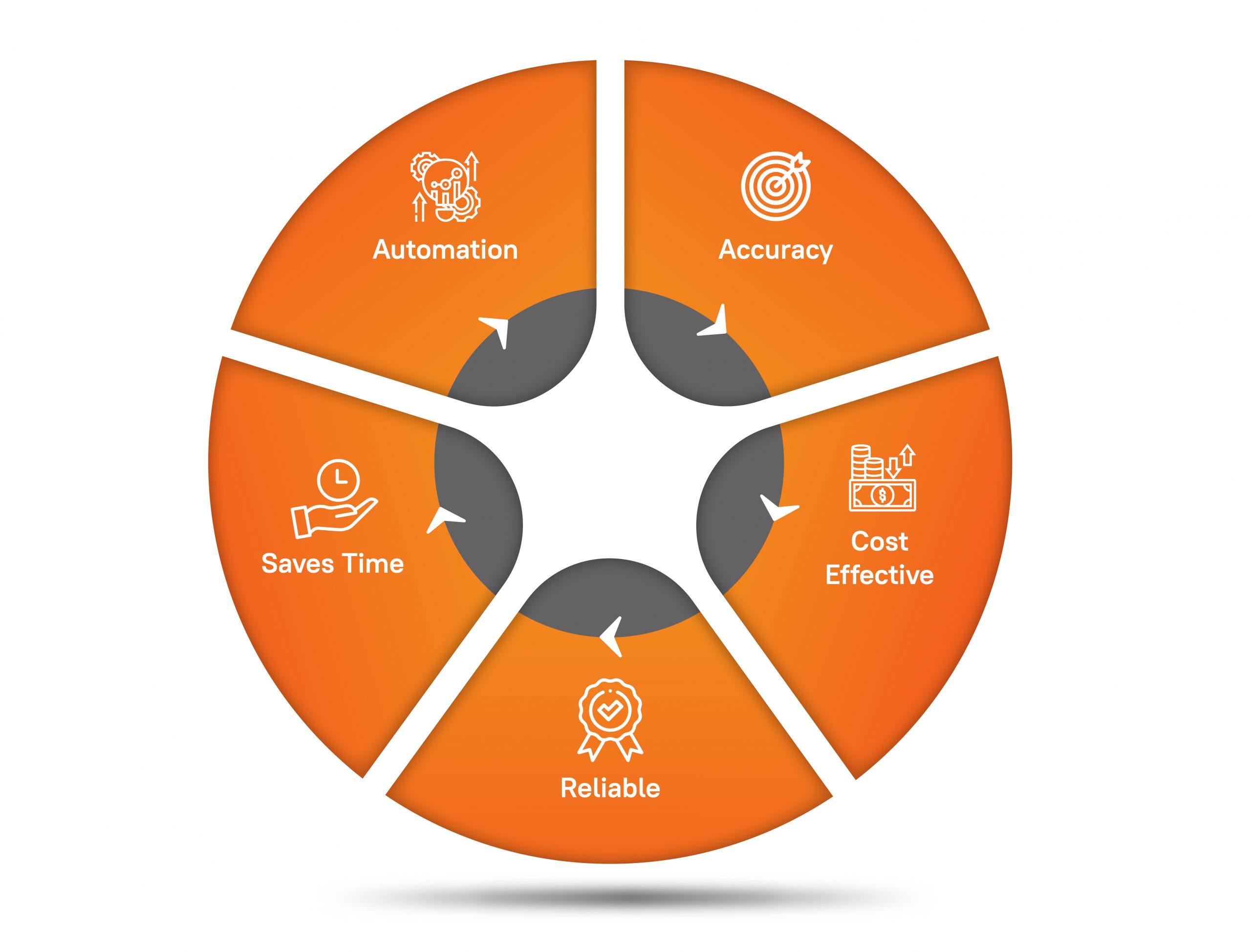
There are many responsibilities when it comes to business taxes. In addition to all the above forms, tasks can become overwhelming. To ease your organization’s payroll management, you may want to consider using payroll automation software or outsourcing payroll services all together.
Benefits of Outsourcing
Conclusion
To avoid mishaps, work with your accountant to complete all the tax forms before due dates. Also, consider using payroll software and outsourcing payroll functions for automation and cost-effective solutions. Business Partnerships play a key role for small businesses, and it is advisable to partner with a reputable CPA or accounting outsourcing partner to assist with financial tasks.
Next Steps
To learn more about how we can assist small businesses with their accounting and bookkeeping:
- Email us at sales@analytix.com or call us at 781.503.9002.
- Subscribe to our blog for industry trends and the latest updates.
- Follow us on LinkedIn and Twitter.


.svg)
.svg)